
No slideshow available
 The Castle of Vecaizkraukles (Alt-Ascherade)
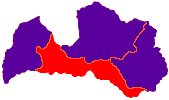
Latvia, Zemgale region, approximately 90 km south-east of Riga, Aizkraukles district, town of Aizkraukles.
No slideshow available
The Castle of Vecaizkraukles (Alt-Ascherade)Latvia, Zemgale region, approximately 90 km south-east of Riga, Aizkraukles district, town of Aizkraukles.
Since Ancient Times, the region of Aizkraukles, located along the Daugava River(1), has been a strategic location occupied by the Liv tribe(2) (also known as Livonians). Sources, mainly Scandinavian sagas, confirmed by archaeological research, mention the existence of a relatively imposing wooden fortification at this location since the 5th century AD.
This place changed hands several times between the "Vikings" and the Livonians, following conquests or changes in spheres of influence, until the end of the 10th century, when the Livonians regained complete control.
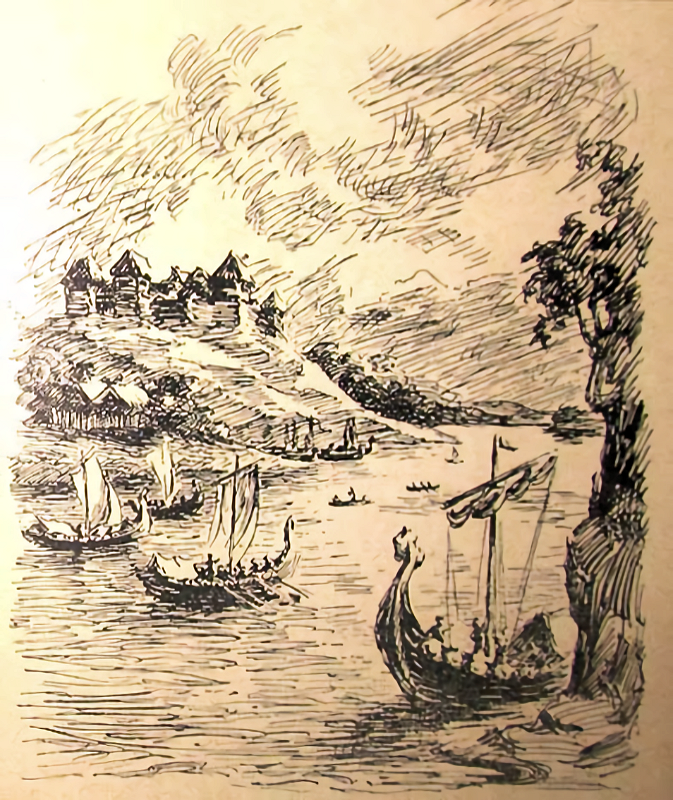
They undertook to develop the fortification and the colony that had settled nearby, turning it into an important commercial centre and tax collection point for the Prince of Polotsk(3).
At the beginning of the 13th century, the fortified settlement of Aizkraukles was one of the largest Livonian centres on the right bank of the Daugava River, located between Lielvārde and Koknese.
Bolstered by this power, in 1204, the Livonians assembled an army with the help of Lithuanians and Slavs from the Principality of Polotsk to attack and plunder the young city of Riga, which had been founded shortly before by Bishop Albert von Buxhoeveden(4).
In retaliation, the following summer Bishop Albert sent his vassal, Baron Konrad von Meyendorf(5), Lord of Ikšķile (Ükskül), to lead a Germanic crusade against the Livonians. The town of Lielvārde was completely destroyed and the stronghold of Aizkraukles was burned down, along with other Livonian forts.
After this expedition, the Livonian chief of Koknese, a certain Vesceke(6), went to meet the bishop and managed to negotiate peace at the cost of the forced conversion of all the inhabitants of Aizkraukles to Christianity.
Yet another attempt at resistance by the Livonian people against the German Crusaders took place during the winter of 1207 - 1208, when the Livonians attempted to capture the town of Turaida, but on their way back to Aizkraukles, they were surprised by a troop of Crusaders who inflicted a bloody defeat on them. With this defeat, the Livonians were unable to prevent the Crusader troops from sweeping through the region.
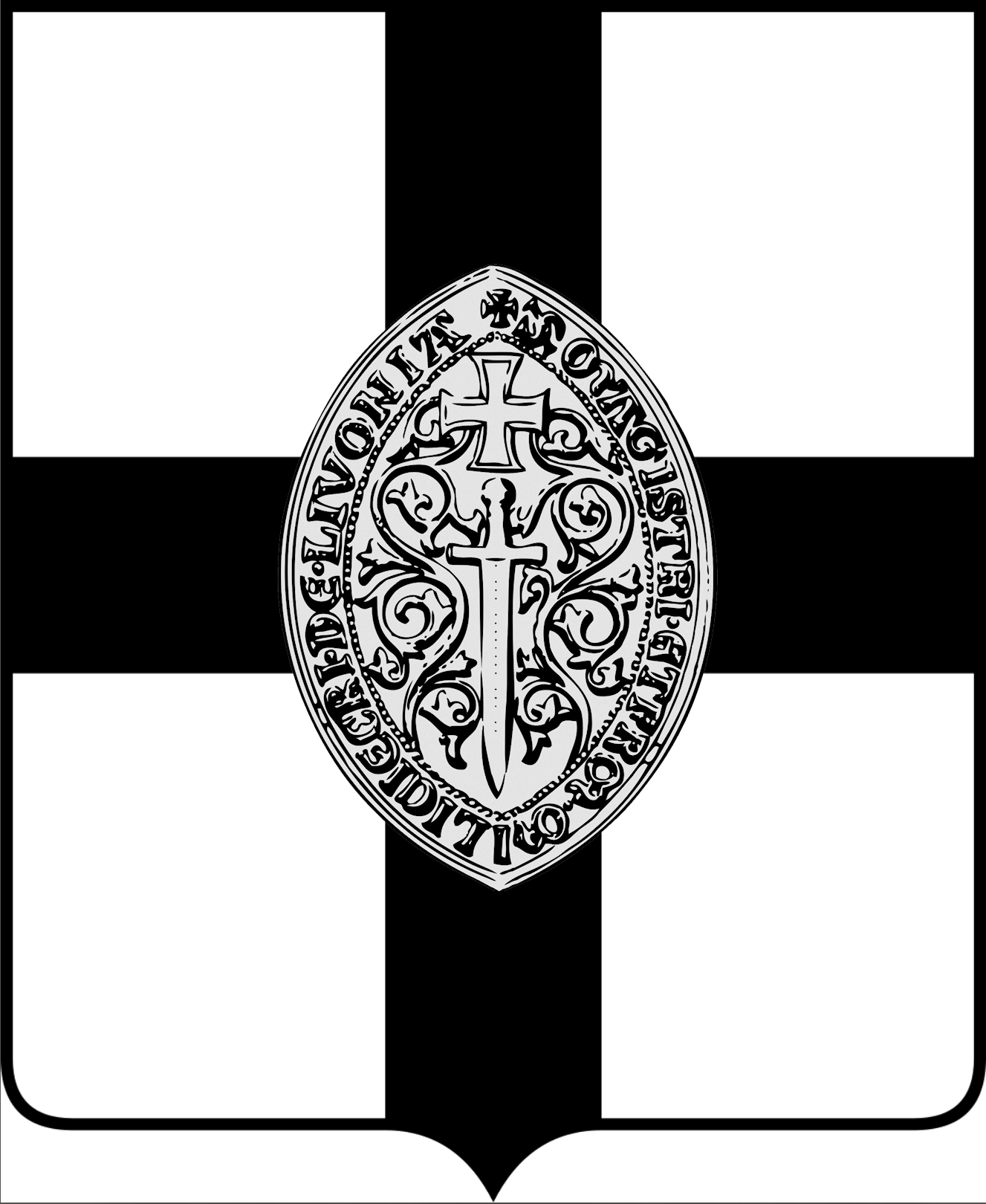
Following this victory over the Livonians, Bishop Albert ceded Aizkraukles to the Order of the Brothers of the Sword who decided to rebuild and fortify the strategic site of Aizkraukles, constructing a powerful fortress that would serve as the seat of the Master of the Order for a time.
The Chronicle of Henry of Livonia(7) also indicates that the Order's castle in Aizkraukles was built under the supervision of Venno von Rorbach, the first master of the 'Order of the Brothers of the Sword.
In 1211, following the division of territories between the young Order of the Brothers of the Sword and the Bishopric, the entire territory of Aizkraukles came under the control of the Order.
For reasons unknown, between 1220 - 1230, the Order abandoned this newly rebuilt castle to build a new one, which would be called castle of Aizkraukles (Ascherade), approximately 2 km away, on a peninsula at the confluence of the Daugava and Karikste rivers.
Until the 15th century, both castles were occupied by a garrison of the Livonian Order, before being abandoned.
(1)The Daugava is a river in Europe that originates in Russia, near the small town of Andreapol, in the Valdai National Park, almost halfway between Moscow and Saint Petersburg. Over 1,000 km long, the river flows into the Baltic Sea in the Gulf of Riga.
(2)The Livs or Livonians are a Finno-Ugric people who settled around the Gulf of Riga, probably as early as a thousand years before Christ.
(3)Polotsk, a city in present-day Belarus, was the seat of a principality that existed between the 9th and 14th centuries. It is also sometimes referred to as Polotsk Rus' and became completely dependent on Kievan Rus' at the end of the 10th century. During the 13th century, the principality resisted Mongol incursions as best it could, but, greatly weakened, it requested the protection of the Grand Duchy of Lithuania in 1240 and became its vassal. In 1307, the territory of the principality was fully integrated into that of the Grand Duchy and ceased to exist as an independent entity.
(4)Albert von Buxhoeveden was probably born around 1165 and died in Riga in January 1229. He came from a Saxon family of ministers from the village of Buxhoeveden (Bexhövede) in Lower Saxony. He was the son of Albert I of Buxhoeveden and Adelheid von Uthlede. Little is known about his early life, but he is mentioned as a canon in Bremen when his uncle, Hartwig von Uthlede, Prince-Elector and Archbishop of Bremen, appointed him Bishop of Livonia in 1199. He travelled to his new domain in the spring of 1200. In 1201, he began building a city on the site of a Livonian settlement at the confluence of the small Ridzene River and the Daugava River. This settlement would henceforth be called Riga. In 1202, with the Pope's consent, he founded the Order of the Brothers of the Sword of Riga. Around 1215, he declared his bishopric independent from that of Bremen. He died in 1229.
(5)Konrad, Baron of Ükskül (Ikškile), was originally from the town of Meyendorf, located in the state of Saxony-Anhalt in Germany. Little is known about his life before he joined the entourage of Bishop Albert von Buxhoeveden, who made him his vassal and entrusted him with Ükskül Castle (Ikškile), located about 30 km south-east of Riga on the banks of the Daugava River. Around 1220, he married the daughter of Visvaldis, the Latgalian prince of Jerzika, who had just submitted to the bishop. He appears in records for the last time in 1224.
(6)Vetseke (or Vesceke, Vyachko) was ruler of Koknese and Tērbata. He made peace with Albert, Bishop of Riga, in 1205. In 1208, he burned down Koknese Castle and fled to Russia.
(7)Henry of Livonia, also known as Henry the Latvian. He was born in Magdeburg, Germany, around 1187 and died in 1259. He arrived in Riga around 1205 and quickly became a Livonian interpreter. He was ordained a priest in 1208 by Bishop Albert of Buxhoeveden. In 1215, he travelled to Rome and participated in the Fourth Lateran Council. He then went to Germany and returned to Riga in 1224, when Bishop Albert asked him to write a chronicle, the "Heinrici Cronicon Lyvoniae". This chronicle recounts the events from 1186 to 1226 and is the main source of information on the conquest of Livonia by the Brothers of the Sword and the founding of the Teutonic State.


Templiers.org - Christophe Staf
All Rights Reserved
Member of the Templars Heritage Route - Route du Patrimoine Templier