
No slideshow available

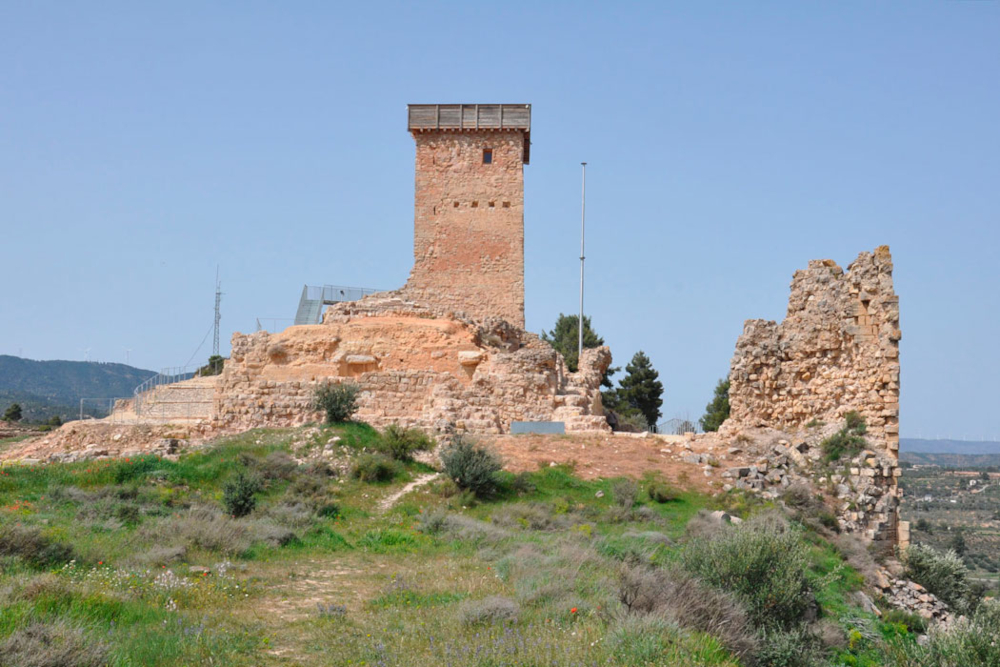
 The Castle of Ascó
Spain, province of Tarragona, about 70 km west of Tarragona, municipality of Ascó.
No slideshow available
The Castle of AscóSpain, province of Tarragona, about 70 km west of Tarragona, municipality of Ascó.
The fortress of Ascó was situated at a strategic and crucial location for the Muslims. Not only did it control and defend a crossing over the Ebro, but it also enabled them to protect and monitor river traffic between two of the region’s most important towns: Lleida and Tortosa.
Unfortunately, the exact date on which the armies of Ramon Berenguer IV(1), Count of Barcelona, succeeded in conquering the town of Ascó and its fortress is not known, but this undoubtedly took place at the time of the conquests of Tortosa and Miravet, that is to say, between 1151 and 1153.
Under the agreements concluded in Girona(2) in 1143 between Ramon Berenguer IV and the Knights Templar, the Order gradually acquired various rights and estates in Ascó from around 1167 - 1168 onwards, and took possession of the entire lordship around 1182 with the consent of King Alfonso II.
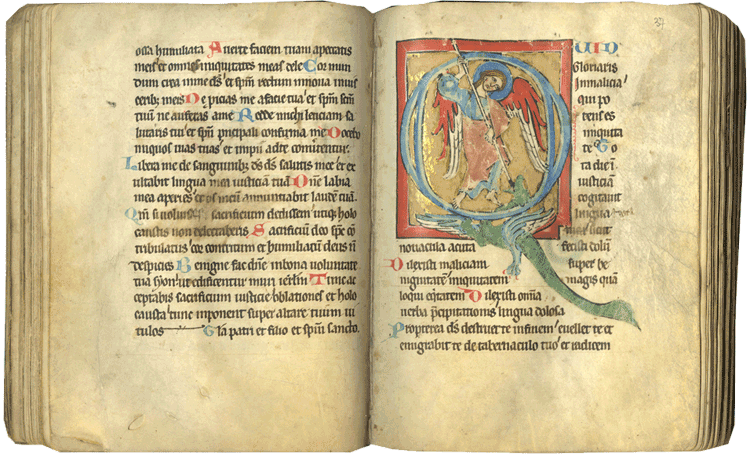
It was probably around this time, around 1182, that the Order, having acquired a substantial estate, founded a preceptory in Ascó. Very few documents have survived from this period of the preceptory's creation. The first document mentioning a commander in Ascó is dated 1191, when Brother Folch, "preceptor Azchonis", made a donation to a certain Estève de Berniz of a waterwheel and some properties in the territory of Ascó.
Also in 1182, an agreement was reached between the Order and Ponç de Monells(3), the Bishop of Tortosa, to settle a conflict concerning the financial and territorial management of the collection of ecclesiastical taxes in the recently reconquered lands of the Ebro Valley. This agreement recognized, on the one hand, the importance of the Order's power in Ascó, then established a precise formula for the distribution of taxes and duties in this newly colonized region, and it obliged the Templars to transfer the chapel they held in the village to the castle, so that the bishop could regain control of the village's religious activities.
Upon the death of King Alfonso II in 1196, Ascó Castle became a focal point in the conflict that arose between the heir, King Peter II, and his mother, Queen Sancha of Castile. The agreement reached between the two parties included the return of some of Ascó's rights and lands to the queen as her dowry.
It was only in 1208, upon the death of Sancha of Castile, that Peter II restored all the rights and domains to the Order of the Temple.
In 1312, like the other Templar possessions in Aragon, the Ascó estate was transferred to the Order of the Hospital of Saint John, which incorporated it into its estate in Amposta. It is not known exactly how the castle evolved over the following centuries, but it is currently in complete ruin. Only a few sections of wall and fragments of two corner towers remain.
(1)Raimond-Bérenger (Ramon-Berenguer) IV of Barcelona, known as "the Saint". He was born in Barcelona in 1113 and died in Borgo San Dalmazzo, Italy, in 1162. He was Count of Barcelona, Girona, Cerdanya and Osona, Ribagorce and Prince of Aragon. He was the son of Raimond-Bérenger III, Count of Barcelona, and Dolça, daughter of Gilbert I, Viscount of Gévaudan, and Gerberge d'Arles, Countess of Provence. He inherited his various counties upon his father's death in 1131. In 1137, he signed a marriage agreement with Ramire II, King of Aragon, who promised the hand of Petronilla (born the previous year) to the Count of Barcelona as soon as she reached the legal age of 14. The marriage took place in 1150. The signing of this agreement allowed him to unite his own domains with those of the Crown of Aragon and to bear the titles of Prince of Aragon and Count of Ribagorza. Taking advantage of the weakening of the Almoravids, he conquered several large cities in the south of his territory, including Almería, Tortosa and Lleida. His reign was also affected by the war he waged against his Christian neighbours to the north, the Counts of Toulouse and Provence, in what history calls "The Great Southern War". While crossing the Alps to meet Emperor Frederick I "Barbarossa" in Turin, he fell ill and died in early August 1162.
(2)In 1134, King Alfonso I of Aragon died without a direct heir and bequeathed his entire kingdom to the military orders of the Holy Land, primarily the Templars and Hospitallers, creating a major succession crisis. To circumvent this impractical will, his brother, the monk Ramiro II was brought to power, and his daughter Petronilla was then betrothed to the Count of Barcelona, Ramon Berengar IV, thus uniting Catalonia and Aragon. Since the Templars retained their legal claims to the crown, Ramon Berengar IV negotiated a historic compromise with them, concluded in Girona on November 27, 1143. By this agreement, the Order of the Temple officially renounced its inheritance from Alfonso I in exchange for considerable territorial and fiscal concessions. It immediately received important fortresses such as Monzón, secured exemption from numerous taxes, and obtained the right to retain a fifth of the land he would help conquer from the Muslims. This pact sealed the Templars' massive military commitment to the Iberian Reconquista and laid the foundations for their powerful commanderies in the Ebro Valley, notably at Ascó and Miravet.
(3)Ponç de Monells was probably born between 1115 and 1120 and died in 1193. He was the son of Berenguer de Monells, lord of Monells, and his wife, Sibil·la. In 1140, he became abbot of the monastery of Sant Joan de les Abadesses. Upon the death of Bishop Jofre, he was appointed Bishop of Tortosa in 1165, a position he held concurrently with that of Abbot of Sant Joan until his death. He completely restructured the diocese established on the new lands conquered from the Muslims and encouraged the repopulation of this region of the Ebro Valley, notably by concluding crucial agreements with the Knights Templar regarding the sharing of tithes and parish rights.


Templiers.org - Christophe Staf
All Rights Reserved
Member of the Templars Heritage Route - Route du Patrimoine Templier